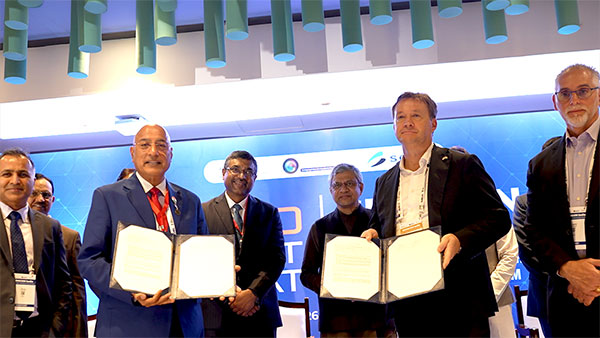
September 17, 2026 — Nexperia, headquartered in the Netherlands, announced in an official press release that it has established a strategic partnership with Tata Electronics, covering semiconductor wafer fabrication, packaging and testing, technical collaboration and innovation.
Nexperia stated that the cooperation framework sets up a long-term collaboration mechanism across multiple segments of the semiconductor value chain. It supports the respective growth targets of both companies and helps India build a globally competitive semiconductor manufacturing ecosystem.
The partnership focuses on three major areas: front-end wafer fabrication, back-end packaging and test, as well as technology and ecosystem development.
In terms of front-end manufacturing cooperation, Nexperia and Tata Electronics are laying the groundwork to produce Nexperia’s MOSFET product portfolio at Tata Electronics’ upcoming 300mm semiconductor wafer fab in Dholera, Gujarat.
Meanwhile, the collaboration includes joint semiconductor packaging and testing of Nexperia’s discrete semiconductor products at Tata Electronics’ packaging plant in Jagiroad, Assam. This alliance reflects the shared vision of both parties to build a long-term manufacturing partnership, aiming to boost manufacturing flexibility, strengthen supply chain resilience and create scalable production pathways to support Nexperia’s future growth.
Stefan Tilger, Interim CEO of Nexperia, commented: “Our cooperation with Tata Electronics brings together complementary strengths in technology, manufacturing and innovation, while supporting the overall development of India’s semiconductor capabilities. This framework unlocks new opportunities for collaboration and reinforces our commitment to serving customers through a resilient and globally balanced manufacturing network.”
Beyond manufacturing, Nexperia and Tata Electronics have established a broader cooperation framework for technology development, research and ecosystem building. By combining Nexperia’s expertise in discrete devices, power and analog semiconductors with Tata Electronics’ expanding manufacturing capacity, both parties seek to accelerate innovation and deliver long-term value for global customers.
Achim Kempe, Chief Operating Officer of Nexperia, said: “This partnership extends far beyond manufacturing. By combining Nexperia’s semiconductor expertise with Tata Electronics’ growing manufacturing capabilities, we are forging a long-term partnership that fosters innovation, growth and supply resilience across the semiconductor value chain. We believe this cooperation will lay a solid foundation for future manufacturing, technology development and ecosystem growth, ultimately benefiting customers worldwide.”
Dr. Randhir Thakur, CEO and Managing Director of Tata Electronics, remarked: “We are delighted to partner with Nexperia to manufacture its products at our semiconductor facilities in Dholera and Jagiroad. This comprehensive partnership spanning the semiconductor manufacturing value chain marks a significant step for Tata Electronics in building a globally competitive integrated semiconductor manufacturing ecosystem in India. Our cooperation also aligns with the evolving technological and trade ties between India and the European Union. As we strive to strengthen semiconductor supply chains and drive innovation, such alliances will help unlock new opportunities for industrial collaboration, technology development and long-term economic growth.”
For Tata Electronics, this collaboration represents another key milestone on its journey to build a world-class semiconductor ecosystem in India. By pooling advanced manufacturing capabilities, technical expertise and global market access, the partnership reinforces India’s position as an emerging semiconductor hub within the global value chain.
The company is constructing India’s first commercial semiconductor wafer fab in Dholera, Gujarat, and the country’s first indigenous semiconductor packaging and test facility in Jagiroad, Assam, with a combined investment of USD 14 billion to serve global customers across key sectors.
Amid rising semiconductor demand from automotive, industrial, consumer, energy, communications and infrastructure applications, both parties recognize the importance of expanding semiconductor manufacturing capacity while building resilient and geographically diversified supply chains.
(Reprinted from https://news.eccn.com/)