The Internet of Things enables the interconnection of all things, with IC hardware as the fundamental support. On the side of terminal devices, low-power sensor ICs can collect various types of data, such as temperature, humidity, and motion status, with sensor ICs in smart wearable devices monitoring health data; communication connection ICs (such as NB-IoT, Bluetooth ICs, etc.) are responsible for data transmission, uploading terminal data to the cloud. On the network layer and application layer, edge computing ICs and cloud computing ICs process and analyze massive amounts of IoT data, mine data value, and promote the implementation of smart home, smart park, and other IoT application scenarios.
In the smart home scenario, various sensor ICs and control ICs are ubiquitous. The temperature and humidity detection IC in smart temperature and humidity sensors, such as the SHT3x series IC produced by Sensirion, can precisely sense the changes in indoor temperature and humidity, with an accuracy of up to ±0.3℃ and ±2% RH, transmitting data to smart air conditioners, smart humidifiers, and other devices to automatically regulate the indoor environment. The LED drive control IC in smart lighting systems can adjust the brightness and color temperature of the lights based on ambient light and human presence, such as automatically turning on the lights and adjusting to warm tones when the light outside dimmed in the evening, creating a comfortable atmosphere; when no one is detected in the room, the brightness is automatically reduced or turned off to achieve energy saving.
In the field of smart logistics, RFID (Radio Frequency Identification) ICs are key. RFID tags built into logistics packages can communicate with RFID readers on warehouses and transport vehicles, enabling rapid identification and tracking of packages. For example, Amazon's smart warehouses use RFID technology to quickly read the RFID tag information of packages on the shelves by readers IC, determine the location and status of the packages, and cooperate with robotic arms to automatically complete the picking and shelving of goods, greatly improving the efficiency of logistics warehousing.
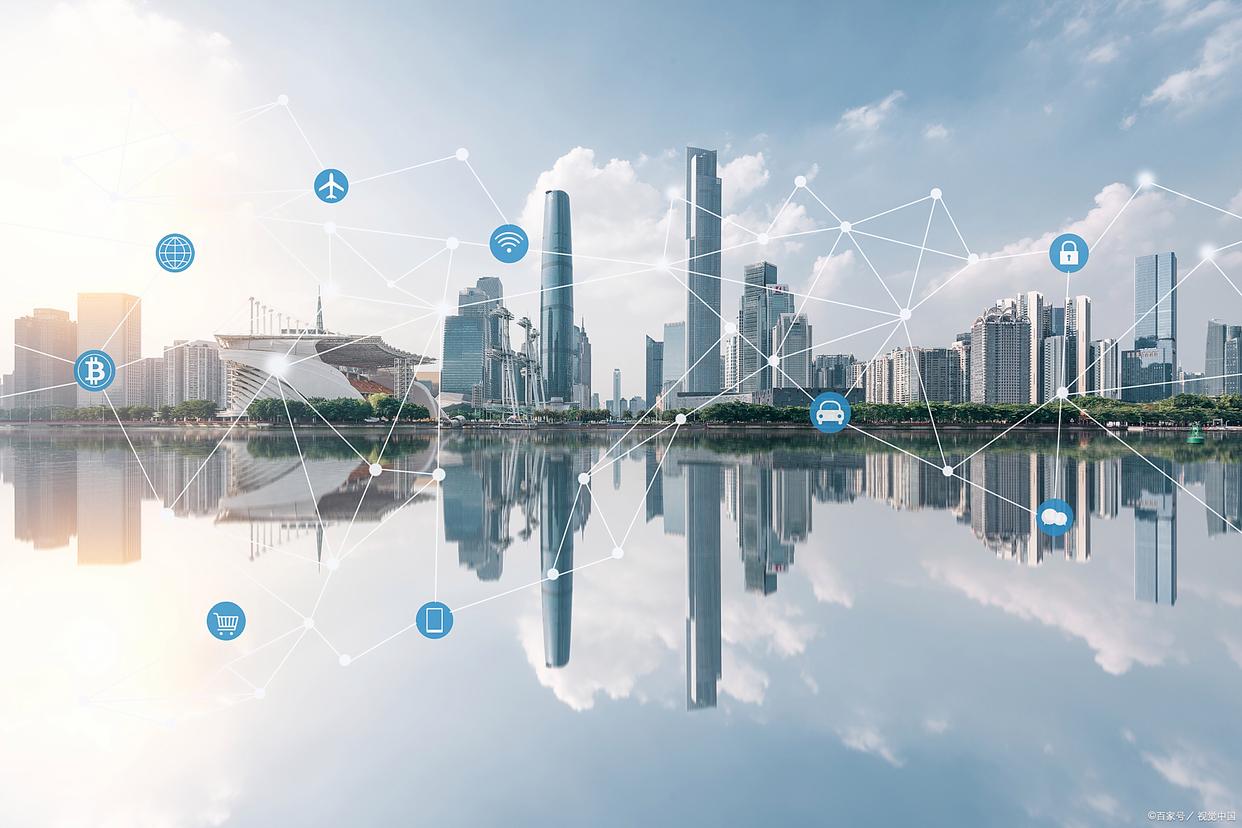
The network layer of the Internet of Things, the IC in the communication module is responsible for data transmission. The 5G Internet of Things communication module of Communication supports 5G network connection, allowing devices such as smart electric meters and smart streetlights to upload the collected data to the cloud in real time. In the smart energy management system of the smart city, thousands of smart electric meters transmit the user's electricity data to the energy management platform through the IC in the communication module, and the cloud computing IC and big data processing IC on the platform side analyze these data, optimize power distribution, and automatically adjust the power grid load during peak hours of electricity use, ensuring the stable power supply of the city.
Data processing and application of the Internet of Things platform rely on edge computing ICs and artificial intelligence ICs. In the video surveillance system of the smart park, edge computing ICs analyze video data collected by cameras in real time, identifying abnormal human behavior, illegal vehicle parking, and other situations, without the need to upload a large amount of raw video to the cloud, reducing transmission bandwidth occupation and latency. Artificial intelligence ICs can also deeply mine the massive data collected by the Internet of Things, such as analyzing soil moisture, meteorological data, etc., in smart agriculture, predicting the growth trend of crops, and providing decision-making suggestions for precision planting.